The Malay Rilers Regression Or Reform?
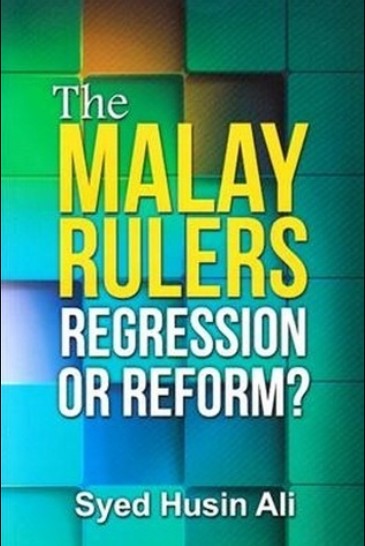
The book was originally written in Malay under the far more provocative title Raja-Raja Melayu (Kemajuan atau Kemunduran?), translating roughly to Malay Rulers: Progress or Setback? Despite what the title suggests, this is less a book about kings or monarchy per se, and more an unflinching look at the power struggle between Malaysia’s elites: the old, traditional elite rooted in royalty, and the new elite embodied by the political class.
Through historical examples, the author illustrates how past conflicts between royalty, the public, and the government played out, and crucially, how the immunity afforded to rulers shielded them from prosecution. He also examines the friction between Menteris Besar (State Chief Ministers) and their respective rulers, and how both sides cultivate networks of cronies to secure future projects and contracts. To widen the lens further, the book draws on international examples, tracing the fate of monarchies and republics around the world. It notes that when monarchs are removed, the vacuum is more often than not filled by an equally, if not more, ruthless dictator.
Personally, this book stands as a valuable historical account for anyone seeking to understand power and political conflict more deeply. Much of the usual discourse on this topic is framed around the ruling class versus the proletariat, but this book offers something more nuance which is a clear-eyed look at how conflict can erupt within the ruling class itself, between its traditional and modern factions. The ultimate takeaway in the end is that if you are wealthy and powerful enough, the rules that bind ordinary people simply do not apply to you in many cases.
One quote that stood out was: “If there is indeed a need for a code of ethics for the Rulers, why is there none that regulates the behaviour of government leaders, especially the Ministers?” It is a pointed question, and a fair one, as ministers have long leveraged their positions to accumulate wealth and consolidate both political and economic power.
Overall, I would highly recommend this book to every Malaysian. It offers a clearer understanding of our political dynamics and history, and more importantly, it invites us to be pragmatic. We should learn honestly from the mistakes of our leaders so we do not repeat them.