The Journeys of Uncle Ho
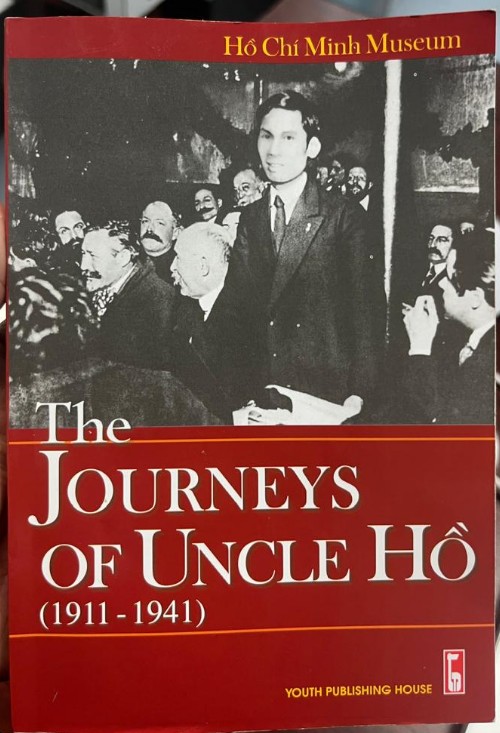
When I was in Vietnam visiting my girlfriend, I got to learn a lot about Vietnamese culture and history. One notable observation was how renowned Ho Chi Minh was. He is very much adored by the people, and there is even a mausoleum where visitors can see his preserved body. This made me wonder how much of an impact he had on the people and why they love him so much. As I visited the War Museum to learn more about the Vietnam War, I began to learn more in depth about him. One thing that struck me was that he was no ordinary man. He was ahead of his time and his culture. Still, I wondered how he became the man he was. Where did he learn and gain his experiences? This book was enough to scratch that itch and gave me some understanding of his life by following his journey from the moment he left Vietnam in 1911 as a cook’s assistant, seeking a broader understanding of the world and lessons he could apply to his country’s situation.
Ho Chi Minh was just one of his aliases. The book describes how he used nearly two hundred aliases and pseudonyms to confuse the Sûreté, the French secret police. From the book, I could see that his values and concern for workers came from his father, Nguyen Sinh Sac, who taught his children to be aware of the labor of others, to value learning, and to understand moral principles. His father was strongly anti-colonial and fought against both the Vietnamese ruling authority and French colonists.
The book highlighted his travels and what he did in each country. He could speak multiple languages and lived very frugally. He traveled to a total of 30 countries and often had to rely on comrades from different countries to cross borders. In some of the countries he visited, such as France, the USSR, and China, he was actively involved with local communist parties and constantly highlighted the challenges faced by Vietnam, relating them to anti-colonial struggles. Throughout his travels, he observed how cruel colonialism could be and how common the struggle of the proletariat was across the world. This allowed him to plan and write guides such as Đường Kách Mệnh, also known as The Road to Revolution, which served as a practical manual for organizing a revolutionary movement in Vietnam.
Overall, it is an insightful introductory book, but readers should keep in mind the nature of historical writing and its potential bias in presenting Ho Chi Minh in a more favorable light.